Nearly half of Canadian adults are now monthly podcast listeners, according to Triton Digital’s 2026 Canadian Podcast Report.
The report, which analyzed audience behaviour, genre trends, and the top-performing shows from April 2025 through March 2026, incorporates findings from Signal Hill Insights’ Canadian Podcast Listener study.
Like the most recent Canadian Podcast Listener survey, it finds that 46% of Canadian adults now consume podcasts monthly, the largest single-year increase ever recorded for the format, up from 39% in 2024.
Audio remains foundation
While audio remains the primary way most Canadians consume podcasts, more than half (51%) of monthly podcast consumers now both watch and listen, while 24% just watch.
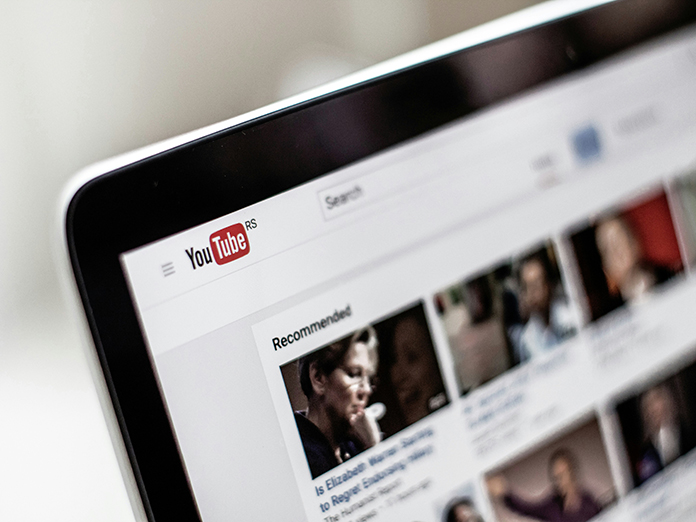 YouTube has solidified its position as the single most-used podcast platform in the country, as 40% of monthly listeners use the platform, up from 35% in 2024 and 29% in 2023. Triton says YouTube’s rise is responsible for bringing more podcast consumers to the medium. Younger Canadians, women and those with a high school education or less are also more likely to have started consuming podcasts regularly in the last year.
When it comes to RSS downloads, Apple Podcasts remains in the lead, accounting for nearly half (49%) of all new episode downloads, followed by Spotify (19%).
French-speaking Canadians are also fuelling new listening. After a dip in 2024, this year’s study finds that Francophone podcast consumption has rebounded to 33% monthly among French-speaking Canadians (18+), up sharply from 24% in 2024. Triton says 70% of the content French-speaking Canadians consume is Canadian-made.
Canadian-made shows widen lead
Canadian-made podcasts now hold their widest lead over U.S. podcasts in seven years, capturing 43% of average listening time among monthly Canadian podcast listeners compared to 41% for U.S. content.
The Triton report names CBC/Radio-Canada as the top sales network and overall podcasts were nearly all Canadian productions, “reflecting both the quality of homegrown content and the depth of Canadian listener loyalty.”
CBC/Radio-Canada podcasts average 2.16 million average weekly downloads in Canada, more than double its nearest competitor, Audioboom, with public broadcaster-produced podcasts like Front Burner, The World This Hour, World Report and The Current ranking at the top of overall shows and dominating the top Canadian-made English shows.
CBC also dominated the top podcast launches for 2025, which included Aftermath: Hunt for the Anthrax Killer and Sea of Lies, with Audioboom’s Bulwark Tales leading the top three. The top Canadian-made English debuts included CBC’s Sea of Lies, The Devil You Know with Sarah Marshall, and See You In Court.
News, True Crime, and Comedy continue to be the most popular podcast genres. News leads with 29% of downloads, followed by True Crime at 15% and Comedy at 12%.
Triton found different genres are attracting different listeners, with Comedy over-indexing among 18-to-34-year-olds, Sports drawing a predominantly male audience (78%), and True Crime and Health & Fitness skewing the most female-leaning at 65% and 68%, respectively. Business listeners are among the most educated, with 47% university graduates and 38% earning $100K+.
“The pace of change in Canada’s podcast market is unlike anything we’ve seen before,” said Daryl Battaglia, Senior Vice President of Measurement Products and Strategy at Triton Digital, in a release. “What’s especially compelling is that growth is coming from multiple directions at once — new listeners entering the market, existing listeners consuming more content, and video transforming how the medium is experienced altogether. The Canadian podcast audience is growing, diversifying, and listening more. That’s a powerful foundation for what comes next.”
“Podcasting is no longer an emerging channel in Canada. It’s become mainstream, reaching nearly half of all Canadian adults and evolving rapidly in how it’s consumed,” he concluded. “That scale, combined with the depth of engagement we’re measuring, creates a compelling case for creators to invest in their content and for advertisers to treat audio as a core part of their media strategy. For creators, publishers and advertisers, that convergence represents a significant and durable opportunity.”