The traditional silos separating broadcast radio, streaming, and podcasts must be demolished to ensure a viable future, Radiodays North America heard.
The “Igniting Growth in Canadian Audio” panel brought together WPP Media CEO Kevin Johnson; SiriusXM Canada Country Lead Jon Hales; Sarah Cummings, Director of Radio Content for iHeartRadio & Orbyt Media; and Hilary Borndahl, Founder and CEO of Miix Analytics.
Moderated by Radio Connects President Caroline Gianias, the conference heard that the Canadian audio industry is at a critical crossroads, facing an ultimatum from media buyers: unify measurement or risk being left behind by AI-driven planning.
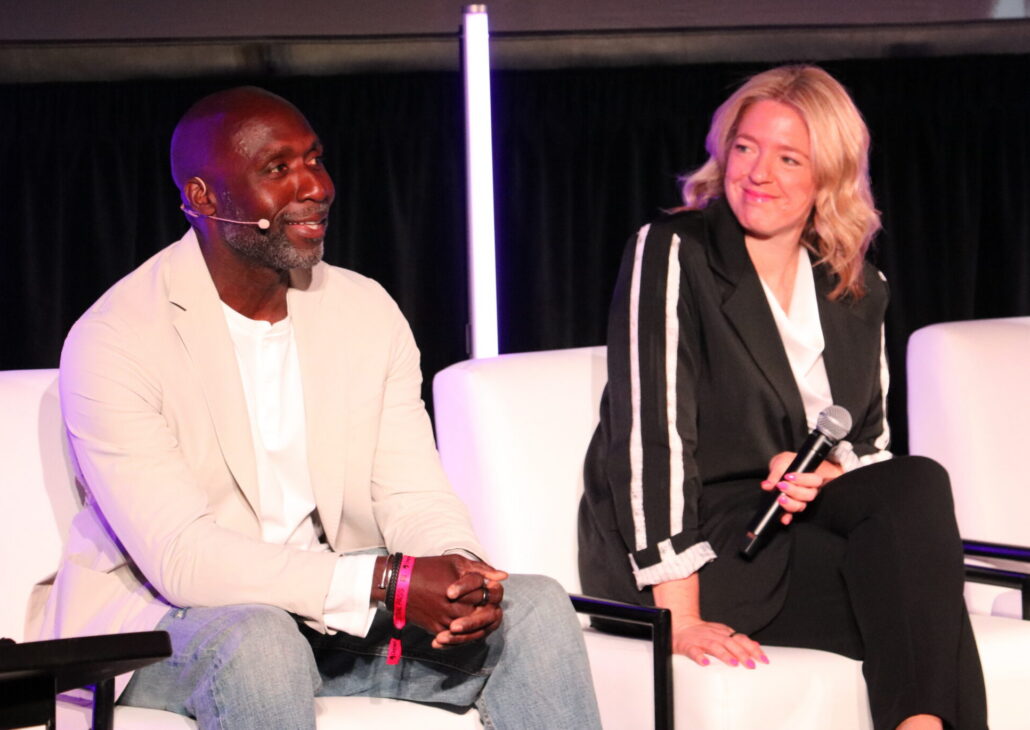
Johnson challenged the room to stop categorizing media by delivery method and instead embrace a holistic “audio ecosystem.”
“We want all of our lives to be easy,” Johnson said. “It means audio; it does not mean radio, plus streaming, plus podcasts. I truly believe that is the easier and more sensible and more pragmatic way to display what we have to offer.”
He noted that while AI is now driving the initial stages of media planning – reducing some 10-day tasks to 48 hours within his company – the lack of granular, API-accessible data for audio makes it harder for the medium to compete with the “double-digit growth” seen in social and video.
Hales agreed, telling the room “it’s no longer about radio versus digital versus podcasts.”
“The rising tide raises all bows, so how are we now, as leaders in the industry, thinking about how we’re positioning? How are you working with partners like Kevin and his team and the rest of the agencies and advertisers in Canada to really think about how we move the needle in a positive way, because if we continue to…you know, compare broadcast to digital or to podcasts, the pieces of the pie are gonna get smaller and smaller. And the whole point about this is ensuring a very viable future for our overall audio industry. So the way we do that is to unify.”
The $2.91 ROI revelation
While measurement remains a hurdle, Radiodays heard that the financial effectiveness of radio is stronger than ever. Borndahl dropped a “mic-drop” statistic that drew gasps from the audience.
“The Canadian norm for any media investment is currently $1.45 profit for $1 invested,” Borndahl shared. “The overall ROI of audio is $2.63…and the radio piece on its own is $2.91.”
She emphasized that radio’s localized nature is its superpower, particularly for retailers with physical storefronts. However, she warned that these results are often invisible to C-suite executives because audio is frequently missing from initial media plan drafts.
Radio needs to better tell its story
Cummings acknowledged that broadcasters need to do a better job of “telling their story” and sharing success cases.
“I don’t know that we’ve done a great job from a radio standpoint of telling our story and sharing some of the findings we have in the success story,” said Cummings. “So, I think from a local market standpoint, smaller market standpoint, major market…I think one of the things that we can do and take away would be to share those stores, make sure they’re there, make sure an AI grabs the plan that is finding the great audience connection in Kelowna, so it gets out of there. And it doesn’t say that there’s not a human piece that goes into that as well, but at least it starts to sell the story of local radio.”
“We haven’t done a great job about telling you guys what we do, because there’s a lot of what you said today, like…we do that. We have that audience to reach,” she later added. “This is important to us in our markets, how we’re talking to the people…I think as an industry, you know, we all have certain things that we’re different on, but I think we’re trying to come together, and we have to come together more closely so that we are telling the same story…how we actually operate, what we can do. We are the original influencers. We have hosts and people across…they are the ones that are the trusted voices that can sell that brand.”
Gianias closed the session by highlighting the urgency of re-training agency staff, noting that 700 people have already passed through Radio Connects’ audio certification program, which aims to ensure the “art” of buying radio isn’t lost in a digital-first world.