Bridging the Gap Between Radio and Digital: My First Steps in Social Media Strategy for Radio
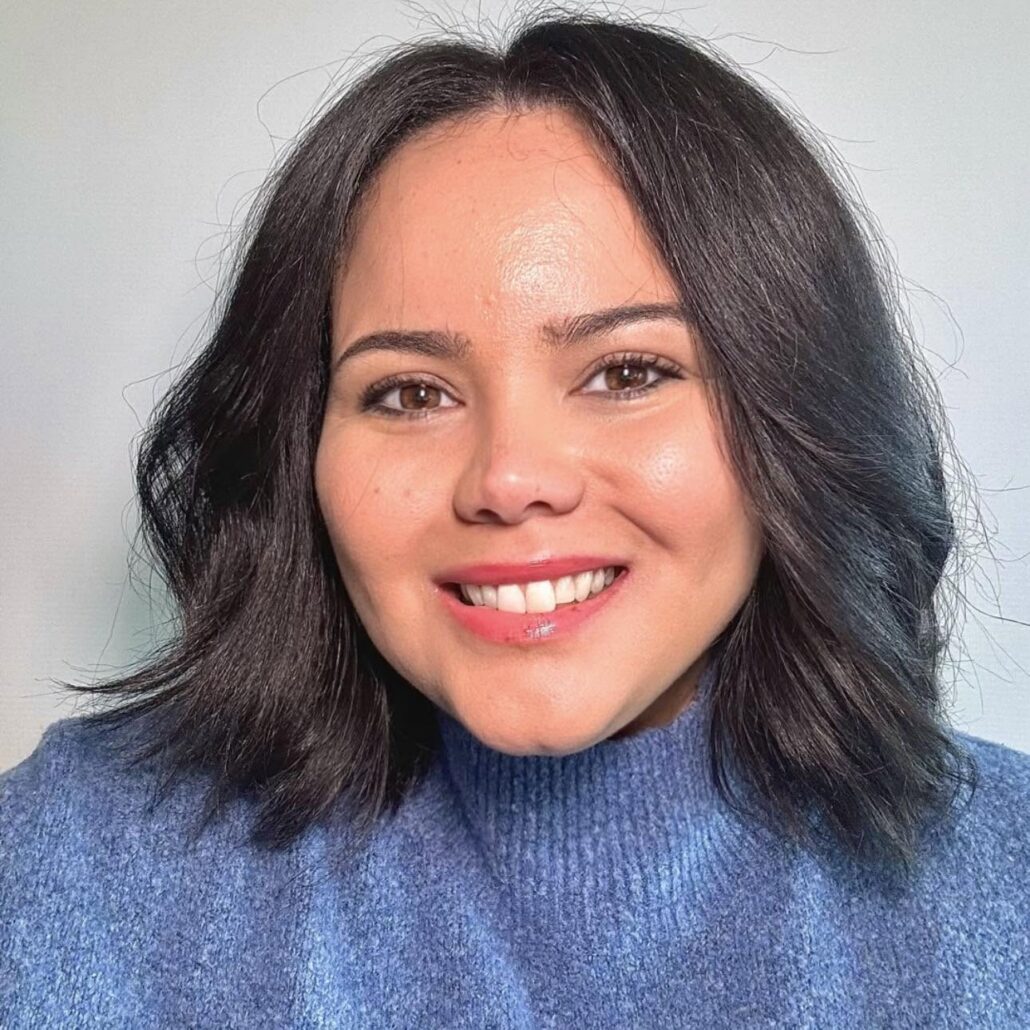
Back in 2012, before I graduated from Humber College’s Radio Broadcasting program, I already saw an opportunity to become the go-to person in Canadian radio who understood digital.
The first opportunity came when I was interning in Toronto at CHUM for the morning show, then hosted by Roger, Darren and Marilyn. Producer Tom tasked me with drafting a Tweet that asked followers about a topic they would pull answers for an on-air discussion. It was 2012, and I’d been using Twitter daily since 2008. As I typed out the question they wanted, I wondered why this was the only time they were using the platform during the show. Why didn’t they tease what was coming up before the show, schedule tweets to post throughout the show, tease the following day’s show, and lead followers back to listening live?
The second moment I remember was my first job in radio, at 107.3 KOOL FM (CHBE-FM), (now a Virgin Radio station) in Victoria. My manager at the time, the promotions director, had me log into the station’s Hootsuite account, a scheduling and programming tool that lets you connect all your social media accounts, schedule posts, do social listening, and receive analytics. As I scheduled contest information through the program, I made sure to learn as much as I could about Hootsuite and how I could use it in the future.
From there, I thought, “How do I become the person who understands both worlds- radio and digital and helps connect the dots?”
 Since then, I have worked on multiple stations in almost every province, ranging from small to large markets. I’ve also worked outside radio, with media personalities, TV shows, Live Nation, and podcasting companies.
In most of these roles, I’m usually in a newly-built position, which has pros and cons. Over the years, I have created a template of the steps I take when I first come in.
Who are the players involved? How is the digital position structured within the organization? Do I answer to programming? Do I answer to marketing? What is the understanding of digital in those positions? Who’s logged into the accounts, and why do they need access? Are there hosts who are already creating their own content and posting natively in each app? Are there promotion teams logged in who need access to post contests or post from remote? What programs are being used to schedule content, and how are we using all the features we’re paying for?
Once I understand how it’s organized outside the platforms, I dive into digital listening. You should practice digital listening at every stage of working with a brand. Digital listening is monitoring online conversations to spot emerging trends and public perception of the brand, acting as a fly on the wall for the demo you are trying to connect with. From there, I look at the analytics for each platform the station is on. Is the demo on each platform a reflection of what’s in the station’s brand deck? Where is the demo hanging out on each platform? What kind of content are they engaging with, and is it the type of content we’re already posting or could post? What online communities do we want to bring back to our page?
Once I understand those two aspects, I look at opportunities for the pages and stations.
When building out content plans, content calendars, and objectives, I always come back to: “How does this create a two-way street with programming?” I want to make sure it clearly reflects what listeners hear on-air and matches what they see on our pages. If that means posting not just show clips from hosts, but taking an on-air promo and creating a video that promotes show times, or running a ratings contest, building different types of content that gets posted so it reaches the most followers and brings them back to listen. I want to create a two-way street between digital and programming.
Another opportunity I look for: Are we using all the resources to generate digital revenue? If we have sponsored posts, create a digital-only series we can upsell to advertisers, or use each platform’s revenue-generating tools. In my years of working with radio and digital, this has been the biggest miss. Do the sales teams understand the data we’re pulling digitally to show clients? Does programming understand how we can use in-platform monetization? Do hosts understand that buy-in matters so they can help build not only the station’s digital brand, but theirs?
So the next time you’re hiring a digital person, I suggest asking yourself these questions and walking through scenarios before bringing someone into the fold.
Follow along with Kylee’s journey on all platforms: @iamkyleewinn.