
Submitted by Rhys Waters, Founder, Echo Podcast Summit and Chief Creative & Partner, Podstarter
We are supposedly more connected than at any other point in human history. We can reach almost anyone, publish almost anything and spend an entire day being shown the thoughts, opinions and breakfasts of people we have never met.
Yet many of us feel increasingly alone.
Our digital lives are shaped by algorithms we don’t understand, platforms we don’t control and content we are not always certain is real. We are constantly connected, but connection itself can feel thinner, more performative and less human.
That is why we chose community as the theme of this year’s Echo Podcast Summit in Halifax.

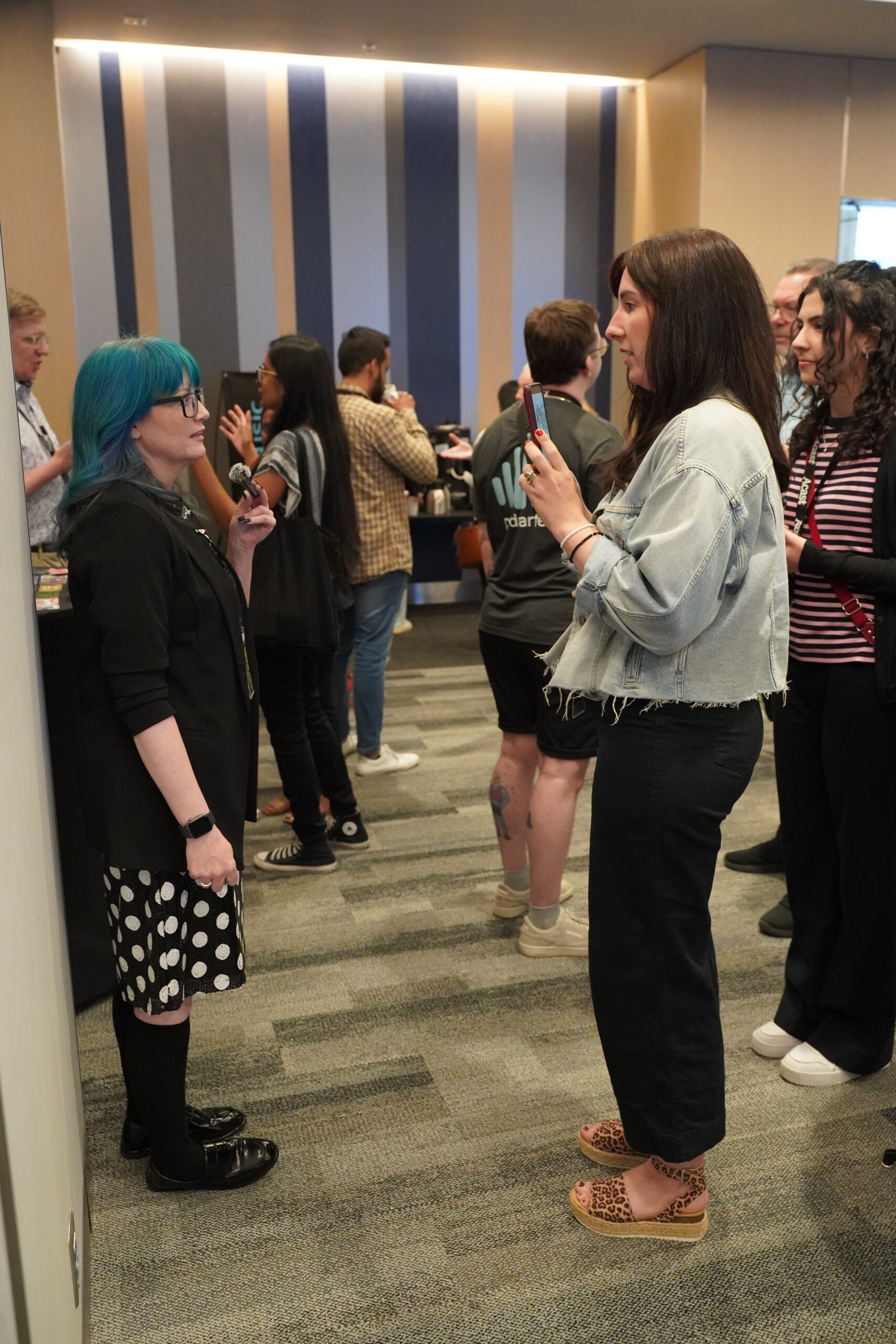
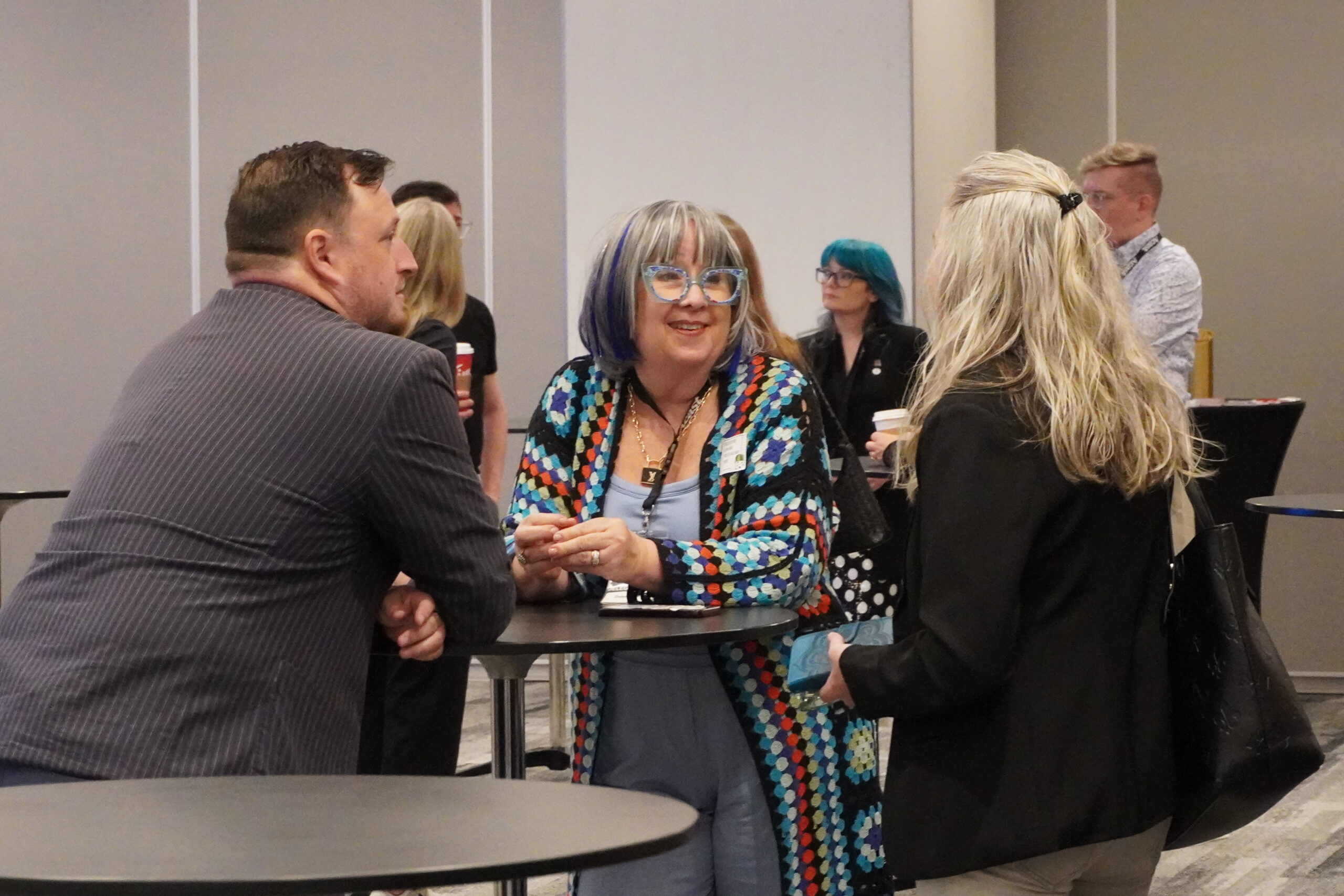
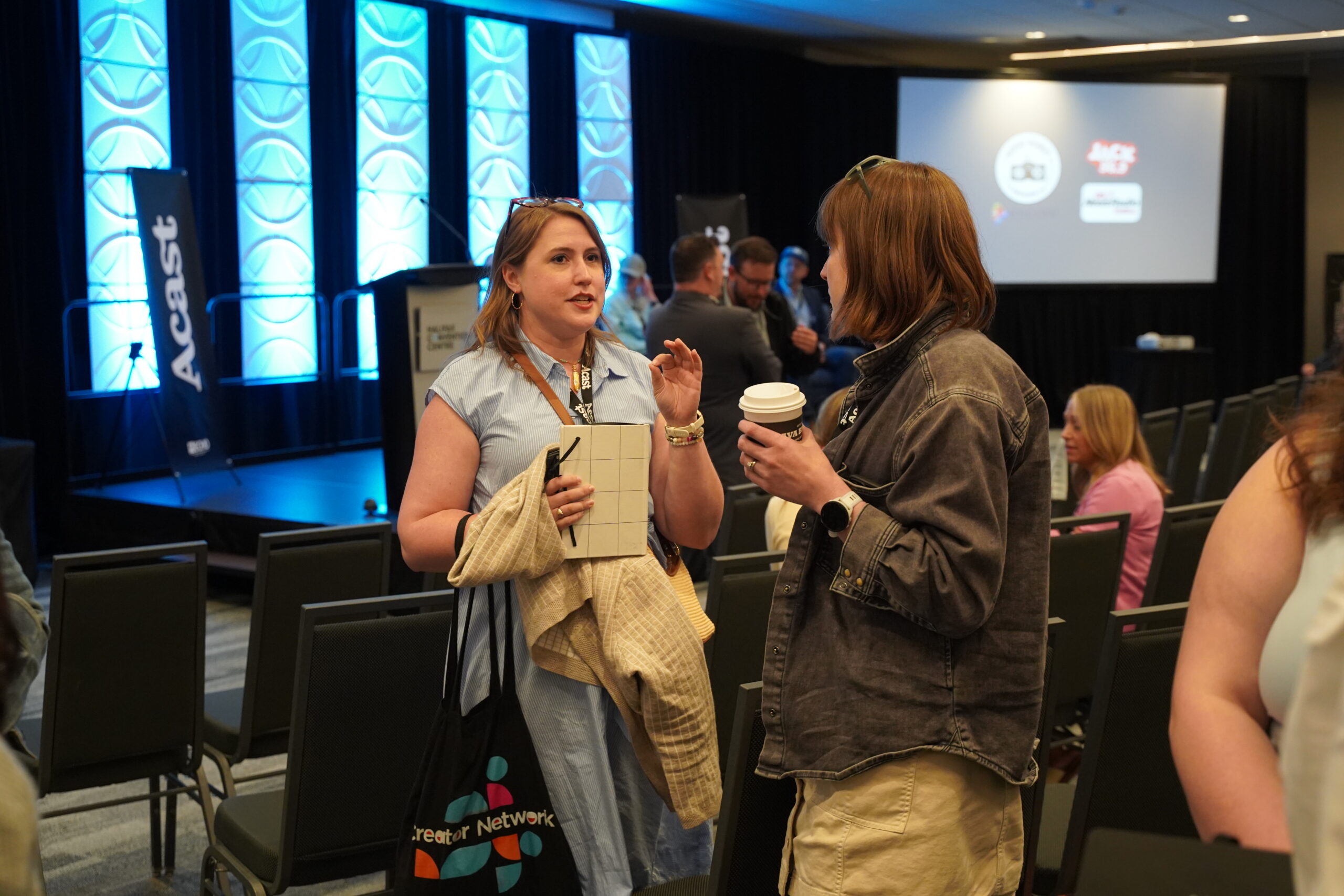
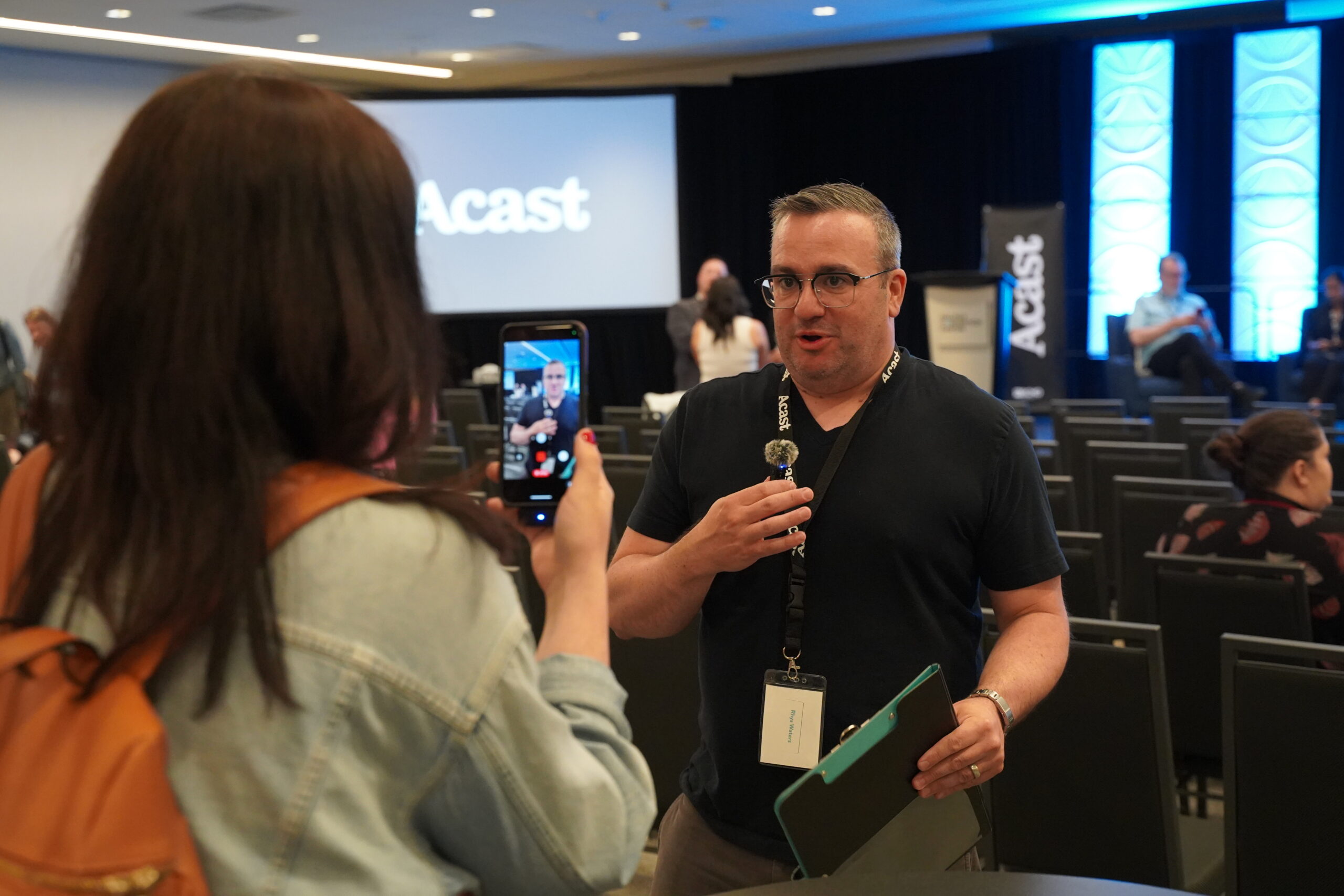
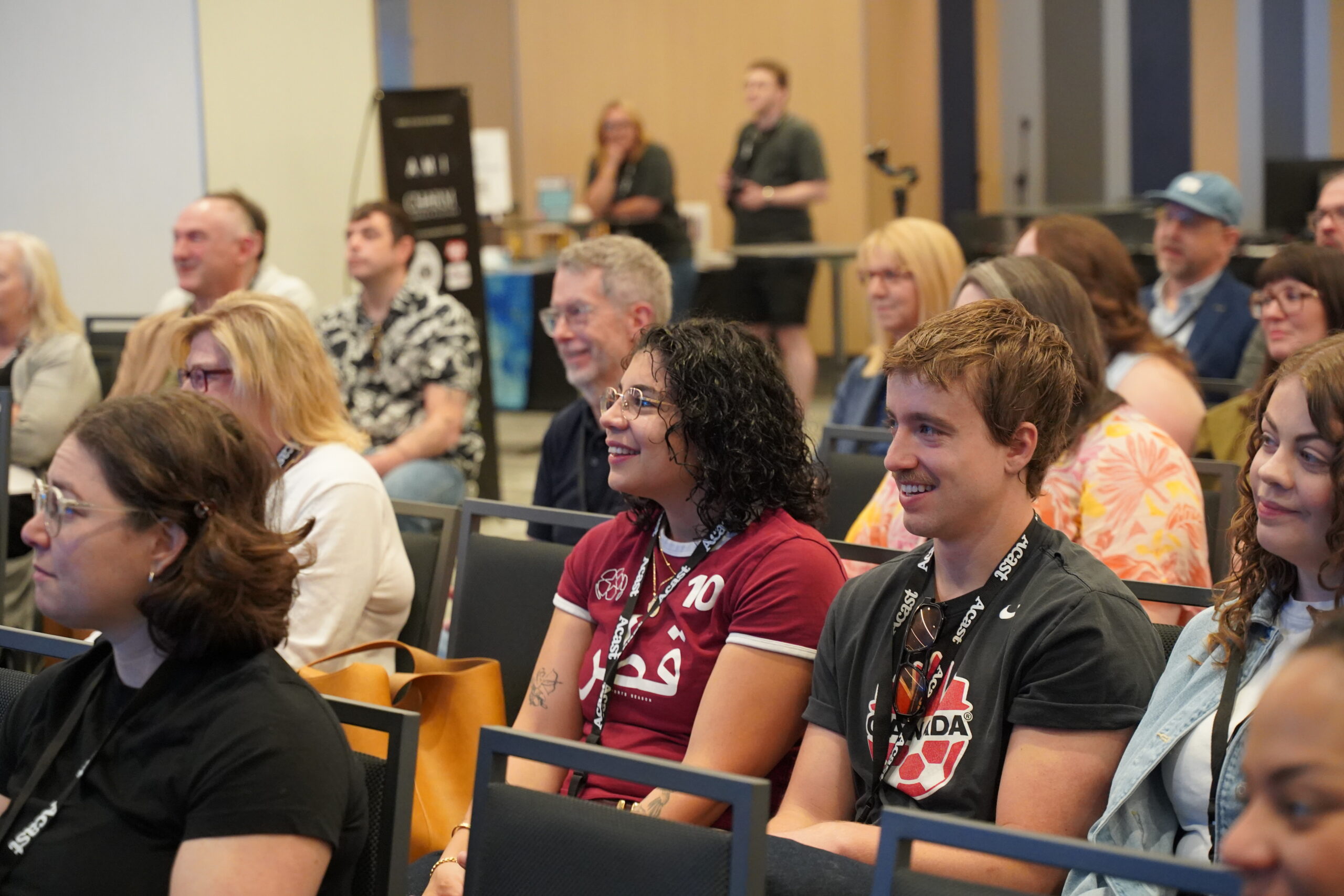

Podcasting has always felt like a useful workaround to the worst parts of the internet. It creates a slower, more personal space in which a human voice can hold someone’s attention for 30 minutes, an hour or sometimes the time it takes to drive half way across the Canadian vastness.
But after a full day of conversations with insiders, creators, journalists, researchers and industry leaders, I came away believing that we need to think more carefully about what podcast community actually means.
It is not the download number in the RSS analytics. It is not a Discord server, a Patreon tier, a Facebook group or a collection of people who have all been persuaded to buy the same T-shirt.
Those things can help a community gather, but they are not the community itself. Community begins when the relationship stops moving in only one direction.
Nova Scotia Lieutenant Governor Mike Savage opened the summit by describing podcasting as a continuation of the tradition of storytelling: a way communities preserve knowledge, celebrate culture, teach lessons and strengthen relationships. He also noted, with admirable constitutional honesty, that some podcasts are simply terrible.
But the point stood. Stories do more than communicate information. They help us work out who we are, what we value and where we belong.
In fact, one of the clearest messages of the day was that specificity is often the source of a podcast’s strength. People do not necessarily gather around a format. They gather around an interest, an identity, a question, a frustration or a very particular shared obsession.
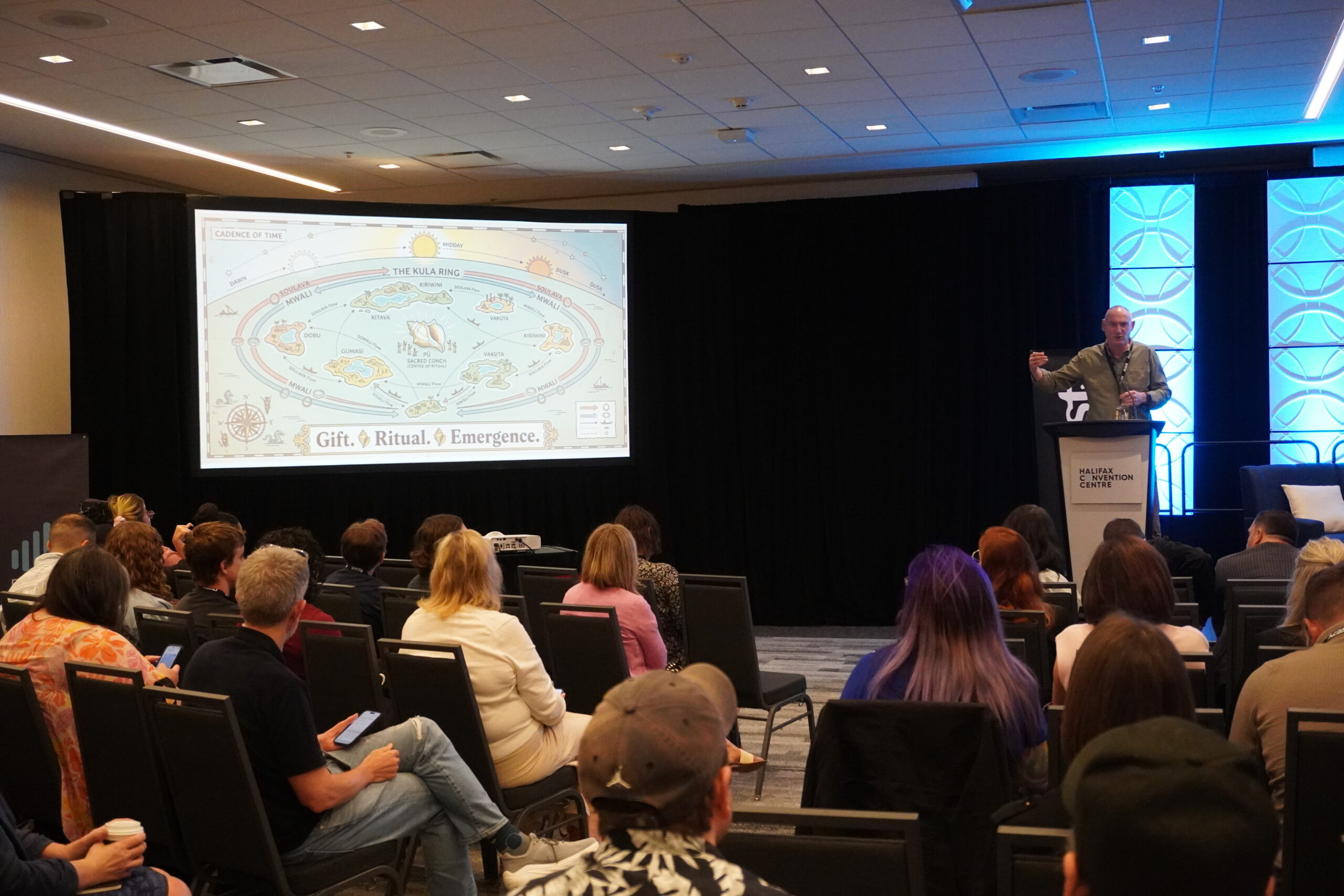
Digital anthropologist Giles Crouch offered another useful way of understanding the relationship. He described podcasting as a kind of gift exchange. The creator gives something first: their time, research, editing, experience, personality and voice. The listener gives something equally scarce in return: their attention.
That exchange cannot be captured properly in a spreadsheet. A download tells us that a file moved. It does not tell us whether somebody laughed while walking the dog, reconsidered an opinion, forwarded the episode to a friend or felt slightly less alone during a difficult week.
Those moments are almost impossible to measure, yet they are the foundation on which everything else is built.
When the relationship becomes strong enough, listeners begin contributing to the culture around a show. They welcome newcomers, repeat in-jokes, recommend episodes, attend live events, support the work financially and sometimes defend the hosts with a level of enthusiasm normally associated with close family members or lower-league football clubs.
The audience is no longer simply consuming the show. It is helping the show mean something.
The Canadaland politics team spoke candidly about the value of listening to supporters. Their call-in show has surfaced stories from local communities that might otherwise never have reached the newsroom. Conversations with listeners have shaped episodes and created a genuine feedback loop between journalists and the people they serve.
But they also raised the danger of audience capture.
A community should be able to influence and challenge a creator. It should not imprison them.
The same principle applies to money, there is sometimes a temptation to treat community as the final stage of a sales funnel: first attract an audience, then engage it, then work out how much can be extracted from it.
That gets the relationship backwards.
People often accept advertising, subscriptions, memberships and merchandise because they want the work to continue. They understand that good podcasts take time, skill and money to make. Monetization works best when it feels like part of the exchange rather than an interruption to it.
But that acceptance depends on trust. Creators cannot recommend things they do not believe in, overwhelm their shows with advertising or suddenly treat their listeners as a database of potential customers.
As the Acast team put it during the summit, we all have a responsibility not to wreck a really good thing.
Platforms can help. Comments, memberships, newsletters, live streams, community pages and social video can all give people more ways to discover a show and take part in it. One great piece of advice from the YouTube session was also one of the simplest: whether you have five followers or five million, treat your audience like they exist.
Creators are under enormous pressure to be everywhere at once: recording a podcast, filming it, clipping it, posting it, livestreaming it and presumably finding a few spare minutes to eat and maintain basic relationships with their children.
But community does not require omnipresence. It requires presence.
Choose the spaces that make sense, show up consistently and make people feel seen. Give them meaningful opportunities to participate rather than simply asking them to “like and subscribe” until the phrase loses all meaning.
The final lesson of Echo was that community cannot be manufactured through tactics alone.
It grows when people recognize genuine effort and deepens when listeners feel they are part of something rather than being marketed at. It survives when creators remain accountable without surrendering their purpose. And it becomes powerful when the relationships between listeners matter as much as the connection between listener and host.
Podcasting’s greatest strength is not simply that anybody can speak.
It is that, at its best, somebody listens and then answers.